About
Our Story
The Tom Feist Foundation honors the legacy of Thomas J. “Tom” Feist—a teacher, farmer, entrepreneur, and lifelong advocate for Spearville.
Our Mission
To improve quality of life through grants, scholarships, and civic partnerships that build a stronger future for Spearville.
Tom Feist – Biography
Born in 1933 to John A Feist, Ford County State Bank Loan Officer, and Ivra, Tom Feist was one of eight siblings and a lifelong resident of Spearville KS.
He was raised as a farmer’s son and learned many valuable lessons in his own farming and ranching business.
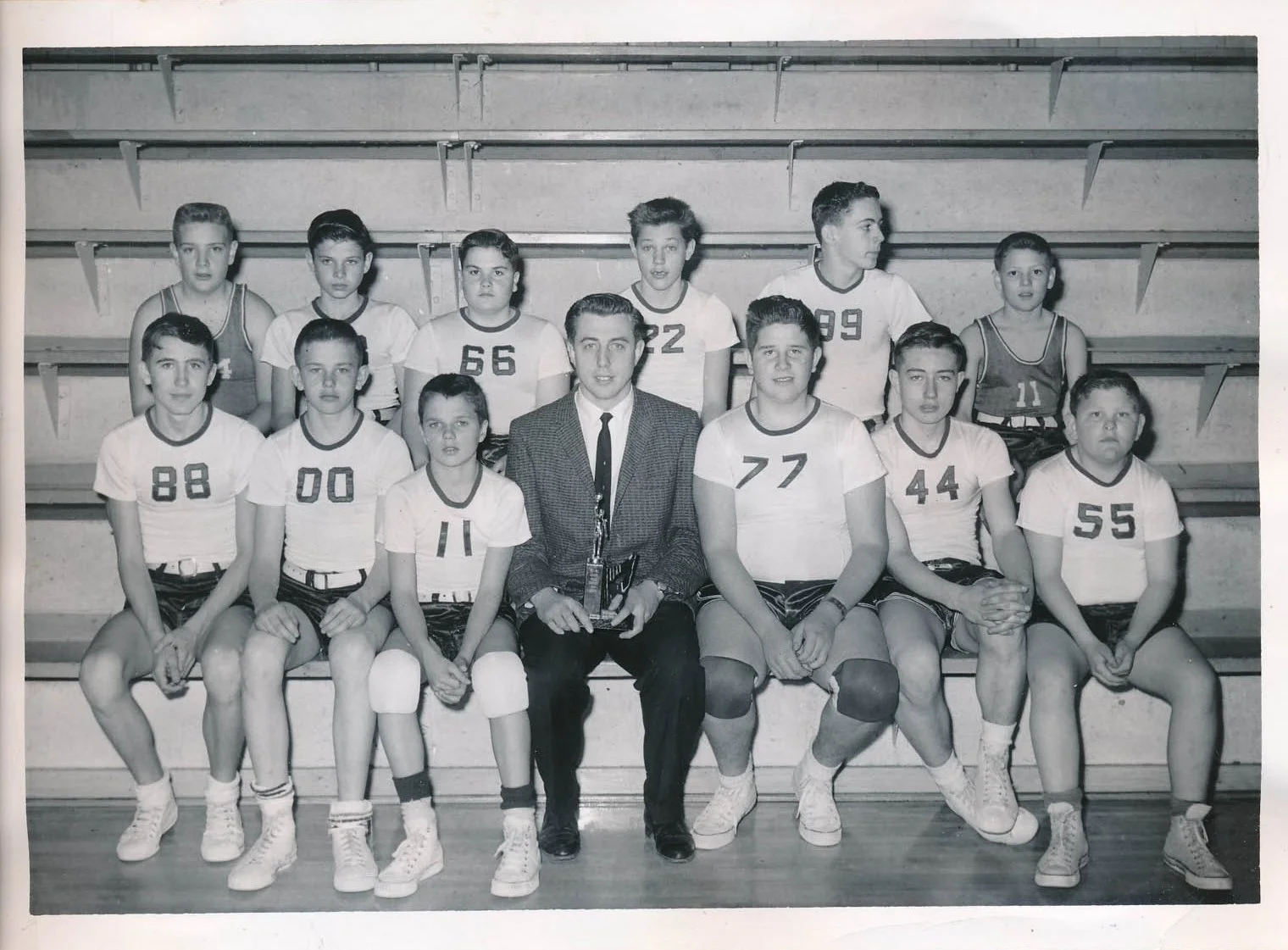
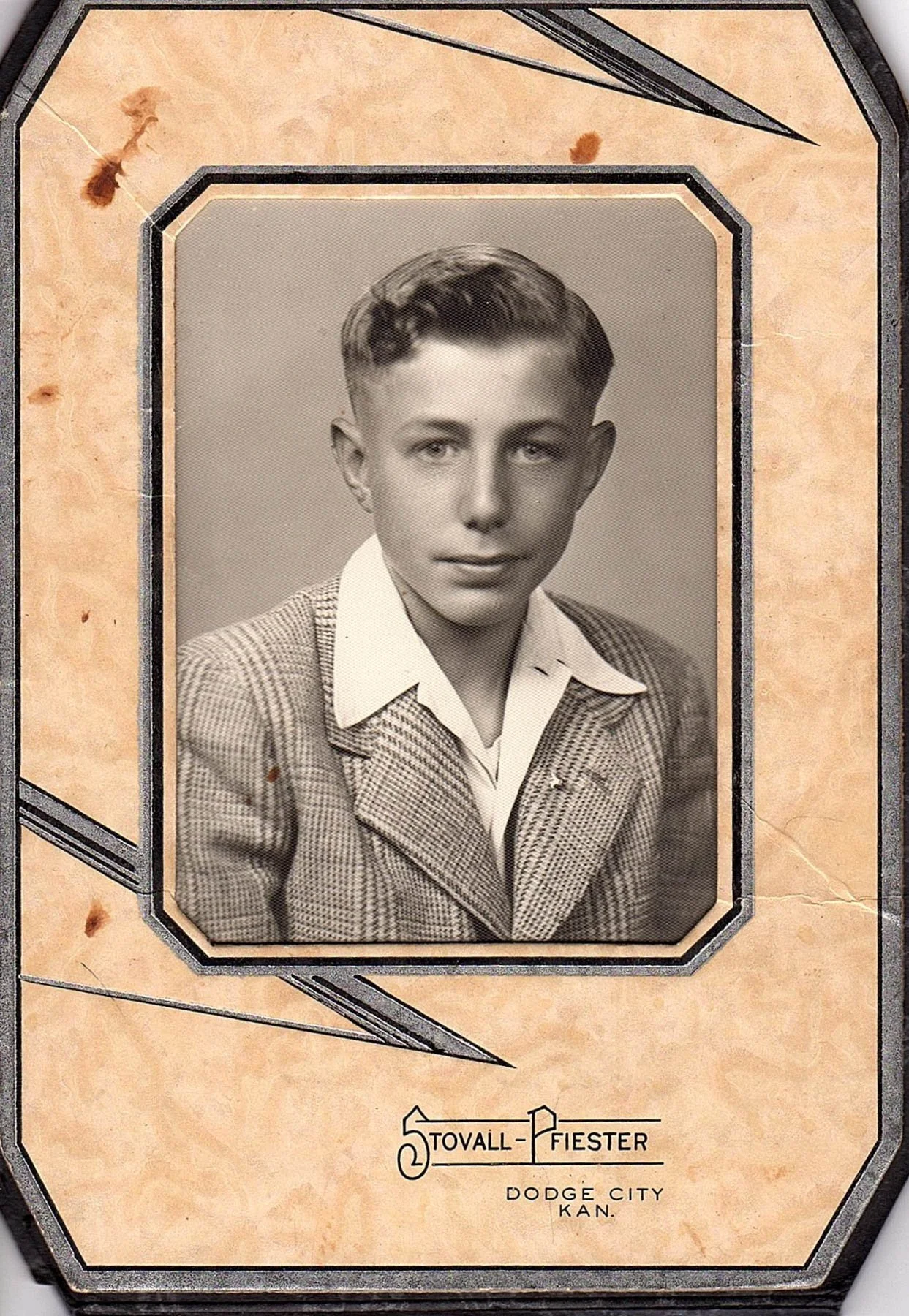
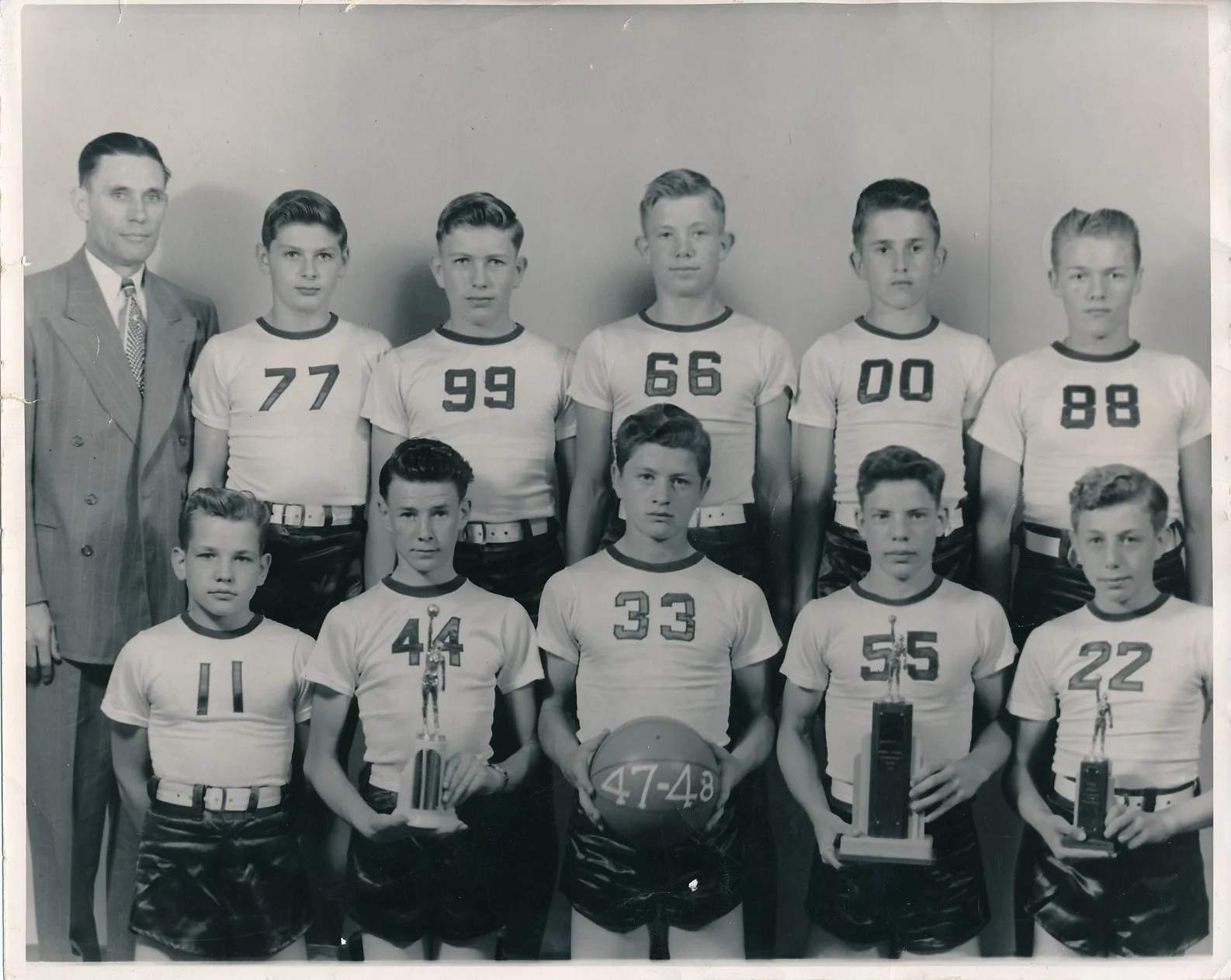
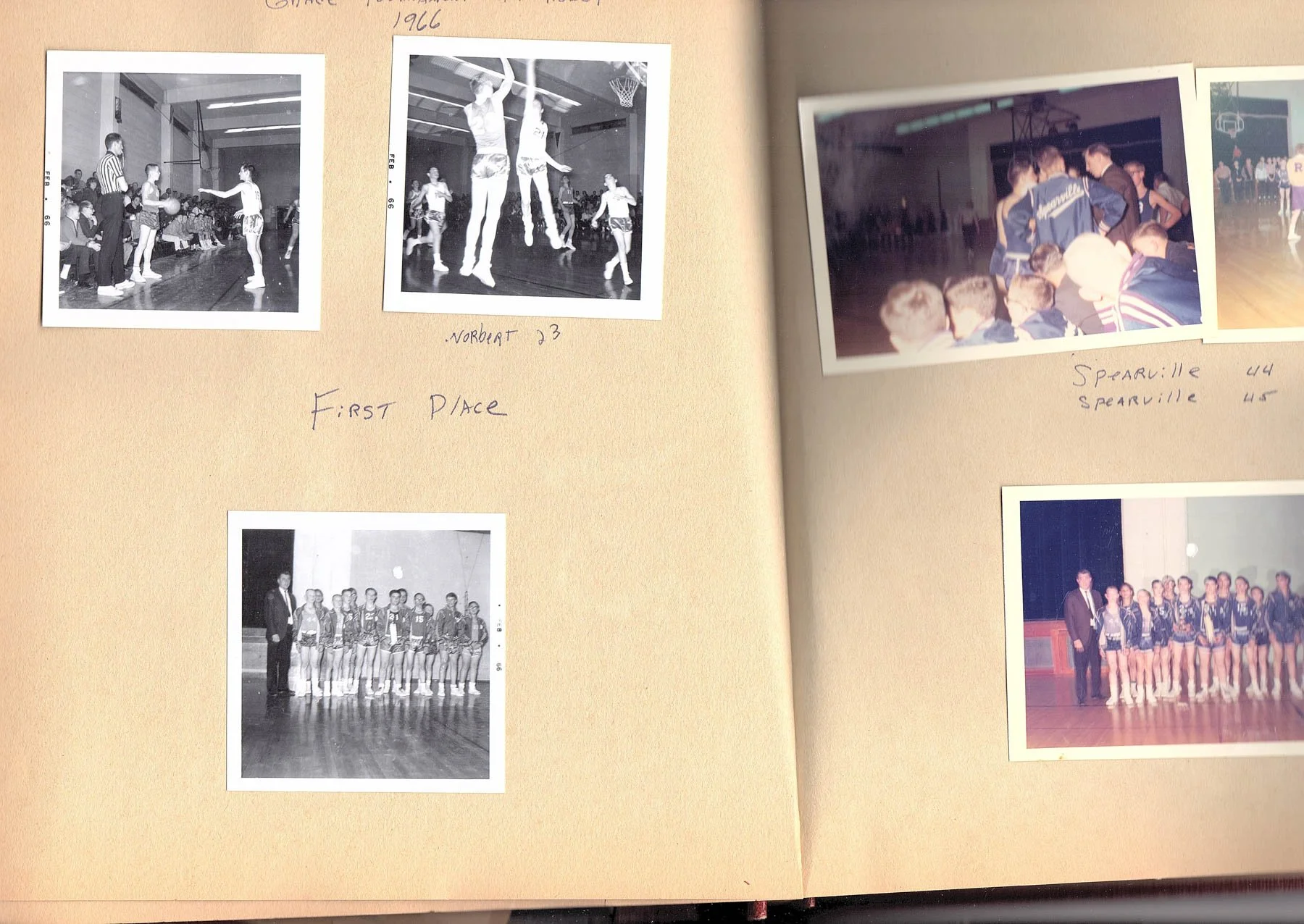
Eight years of grade school at St. John’s marked the beginning of his schooling. His first year of high school was spent at St Joe’s in Hays. The remaining three years he attended Spearville High School. He played basketball with high scoring records and graduated from Spearville high in 1952.
He went on to play basketball in college for the Cavaliers of St Mary of the Plains breaking the Mid-Kansas Collegiate College track record for the 440-yard dash of 53.1 seconds. As a member of the first graduation class from St. Mary of the Plains College, he received his BA in Social Science and minored in English and later served as President of the Alumni Association. In the process of completing his graduate work Mr. Feist attended Wichita University where his major was Education; his minor, Social Studies.
In college Mr. Feist was editor of the Carillan for 2 years and president of the Letterman’s Club for 1 year. It is interesting to note that Mr. Feist has 50 hours excess, 34 of which are graduate courses.
He married Roberta Leiker in 1959, a nurse at St. Joe Hospital, whom his sister Betty Feist, introduced to Tom. Roberta was born and raised in Ness City to Hyacinth and Pauline Leiker.
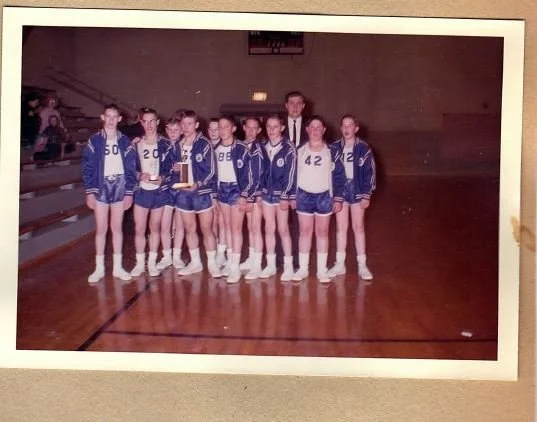
Mr. Feist’s teaching career began in 1958 with Kapaun High School in Wichita for 1 semester, followed by Westlink, also in Wichita for 1 year. He moved back to Spearville and began teaching American History, World History, Jr High English, Jr High Social Studies, psychology and the coaching of the Jr. High basketball team.
Beginning 1967 he became strictly a high school professor. After retiring in 1972 from teaching, he served on the USD 381 Board of Education.
His hobbies were hunting, favorite book, any Civil War type; TV show, Mission Impossible. In his later years he took up bicycling and did bicycle tours in France, Hawaii and New Zeland. His last hobby was photography of pasture scenes, old barns and rusted farm equipment.
1975, Tom was co-founder and President of Feist Publication Inc., home officed out of Spearville KS. Feist Publications grew to 250 employees with 5 locations.
He eventually became the majority owner of the Ford County State Bank.
"His management style was very easy to understand," said Mike Hitz, president of the bank. "Tom didn't micromanage the bank at all. In fact, he didn't know a lot about the bank, but he knew enough to know that if I didn't make the results — and he didn't ask for a lot — he'd get somebody else."
He passed away on January 17, 2011 at the age of 77 and rest in the St John Cemetery in Spearville KS.
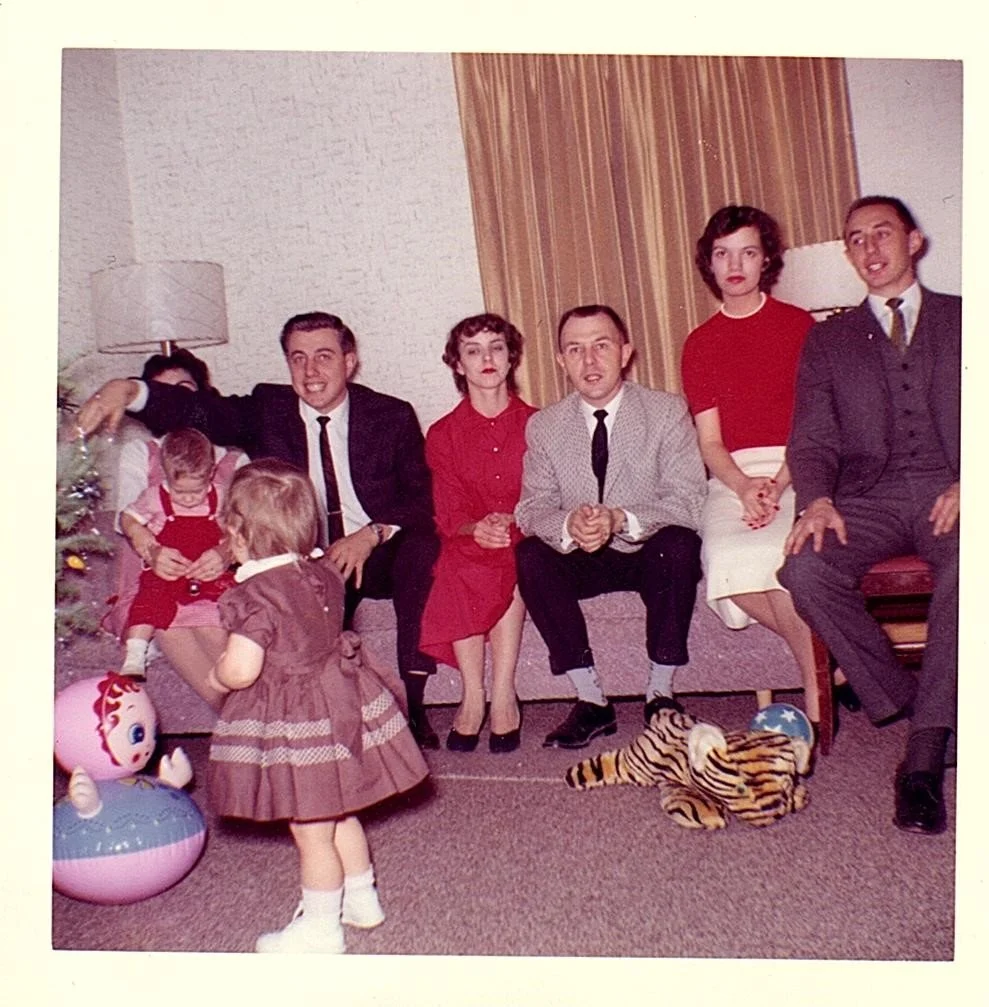
Tom & Roberta had six children, Jay, Kathy, Paula, Todd, Jill and Jodi.
“Dad taught us that by working hard and being dedicated toward something, believe in yourself, you can accomplish anything”.
Starting Feist Publications, Inc
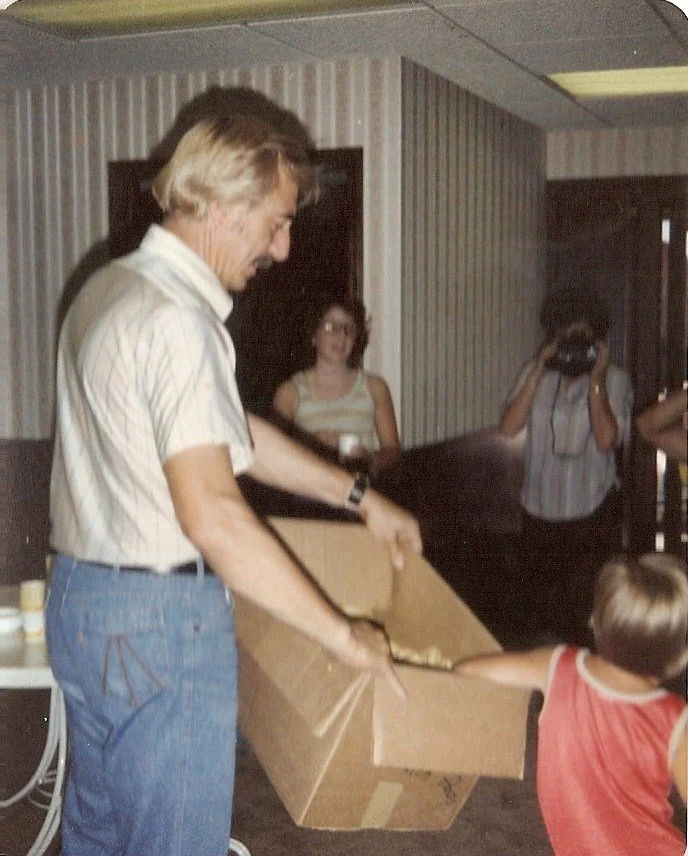
In 1977 When Roberta answered a yellow page advertising sales job, they soon took interest in purchasing the concept from an independent yellow page publisher who was facing financial troubles. They took over his idea of putting out a book that included Garden City and Dodge City, expanding the idea to include all Southwest Kansas. The first three years they operated the company out of their home off the couch and coffee table, and within three years they outgrew that location and moved into the office on Main Street next to the Spearville post office.
Feist hired the Spearville News to publish the first Feist phone book, named the Southwest Area-Wide Phone book, in the spring of 1978.
Bruce Vierthaler, co-owner of the Spearville News, was in college that spring when his father, Lawrence, signed on to help Mr. Feist start the publishing business.
"We were just a small country printer," Vierthaler said. "I remember clearly standing here with Dad when Tom told us,
'We're going to do this phone book, but we won't do it if you won't print it.' "
So Tom Feist and Lawrence Vierthaler lined up some binding equipment to go with the family's web press, and away they went on the first edition for southwest Kansas.
"It was a mammoth undertaking," Bruce Vierthaler said. "We printed 32 pages at a time for a solid month, 8- to 12-hour days, and then slapped them on skids and ran them to the building next door where 10 to 15 housewives would assemble it and bind it."
"Tom Feist was no dummy," said Bruce Vierthaler, co-owner of the Spearville News. "He not only jumped into the phone book business and got out a phone book, but he changed the industry — both in how he put out the book with the maps and the coupons, and the copyright laws were changed forever because of him."
The Growing Years
The company first expanded into mi-Kansas, moving on to Northwest Kansas, and in 1980 expanded to Salina area. They began expanding simply because it did not take a full year to put together one area-wide directory, even while doing their own printing until 1983. When expanding between 1987 and 1990 into Oklahoma and Texas. Feist made a splash in the Wichita market causing a battle with the Southwestern Bell Yellow Pages in 1996 for advertising dollars. In 1998 Feist Online was launched on the Internet. Feist then took on its largest market in Kansas City in 2001.
Feist Publication, Inc vs Rural Telephone Service Co.
When expanding into the northwestern part of Kansas, Feist went into negotiations to buy the white page listing from all eleven telephone companies operating in that area. Only one refused to sell their listing, Rural Telephone Service Co. Feist verified all the Rural listings by calling each residential number to get permission to list them. Unfortunately, bogus numbers were accidentally entered into the Feist directory from the Rural directory. In the late 1980’s Rural sued for copyright infringement in the Kansas District Court for the use of this information. Rural won; the court explained “courts have consistently held that telephone directories are copyrightable.” Feist was granted an appeal and went to the Supreme Court in 1991 taking with him a lawyer he had taught in high school, Kyler Knobbe. The concerns of this case involved “two well-established propositions.
The first is that facts are not copyrightable, the other that compilation of facts generally are. However, for something to be copyrightable, it has to be original, or in the case of a compilation of facts it has to contain some originality in the selection and arrangement. Even directories meet these requirements as long as they feature an alphabetically by surname, “devoid of even the slightest trace of creativity.” Also Feist point out that Rural was required to publish the directory by the Kansas Corporation Commission as part of its monopoly franchise so, they argued the selection was dictated by law, not by Rural. The court decided, unanimously, “that the names, towns, and telephone numbers copied by Feist were not original to Rural and therefore were not protected by the copyright in Rural’s combined white and yellow pages directory.” (Quotes from www.law.cornell.edu)
Tom and Roberta Feist revolutionized the publishing industry with a 19 U.S. Supreme court case. Fourteen years into the phone book business came what Tom’s family called his proudest achievement – the victory in 1991 before the Supreme Court in Feist Publications vs. Rural Telephone Service that rewrote the copyright laws for information.
In an opinion authored by former Justice Sandra Day O’Connor, the court ruled that copyrights apply only to the creative aspects of any compiled information.
Awards
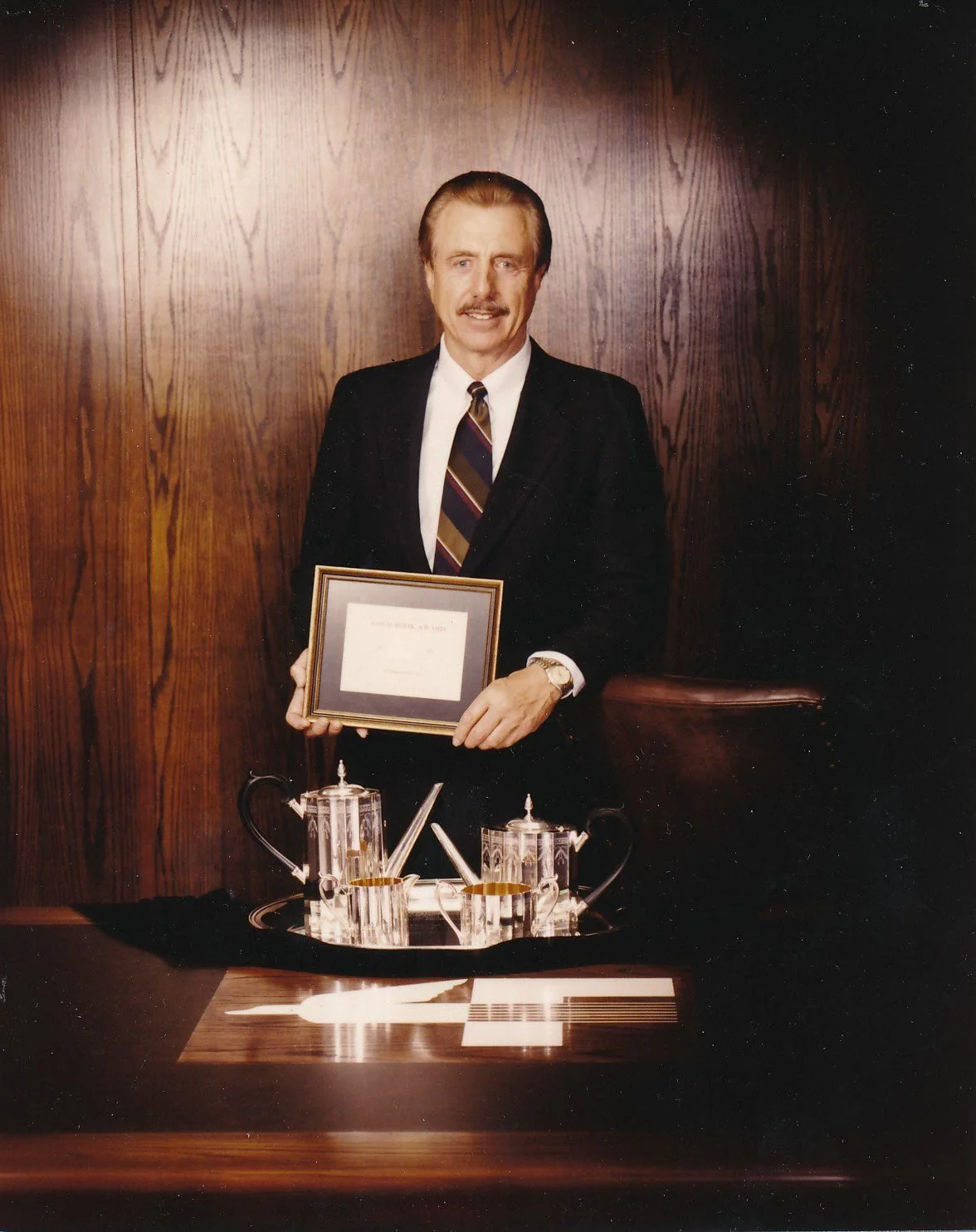
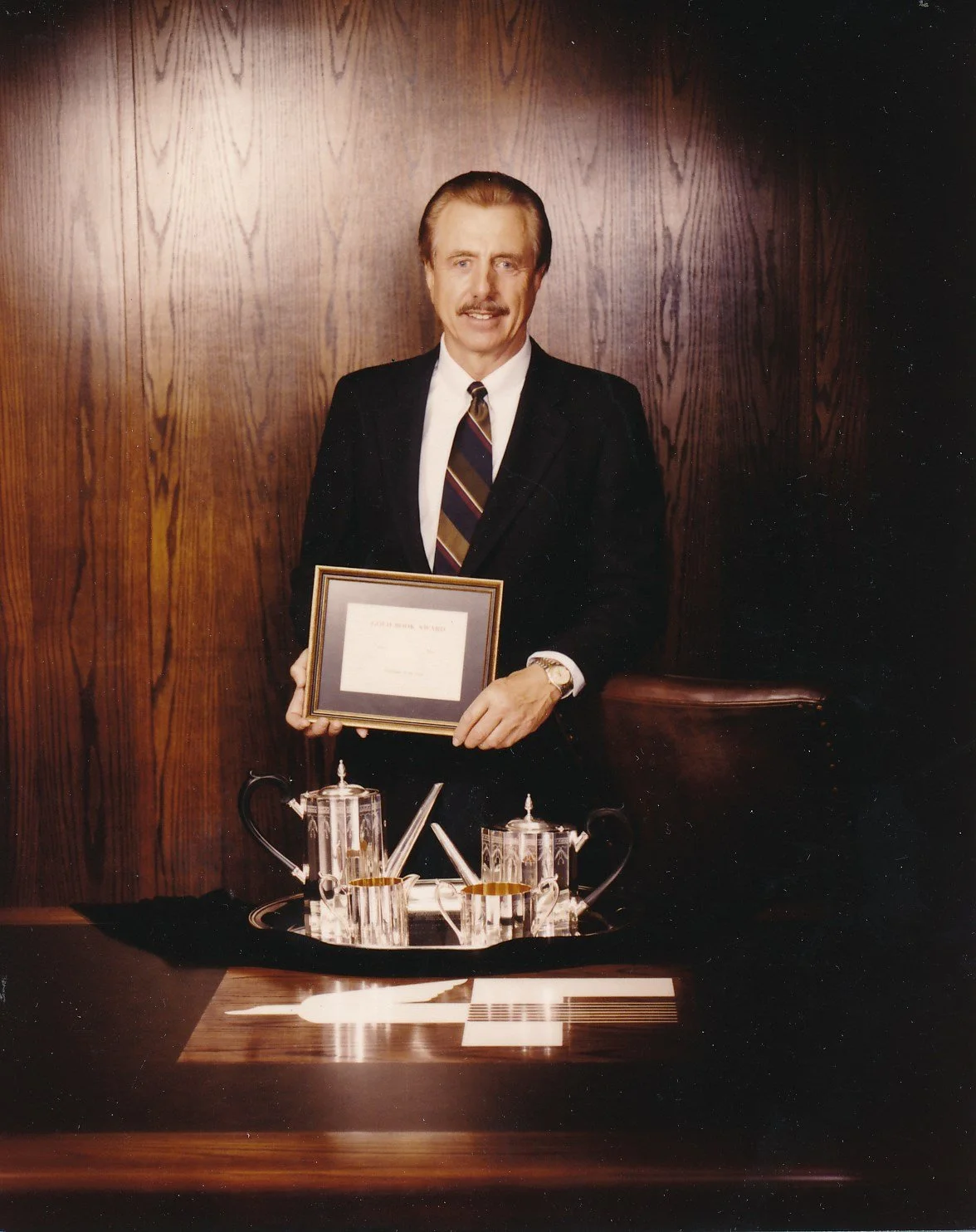
Among other accomplishments Feist Publications was named “Publisher of the Year” in 1991-1992.
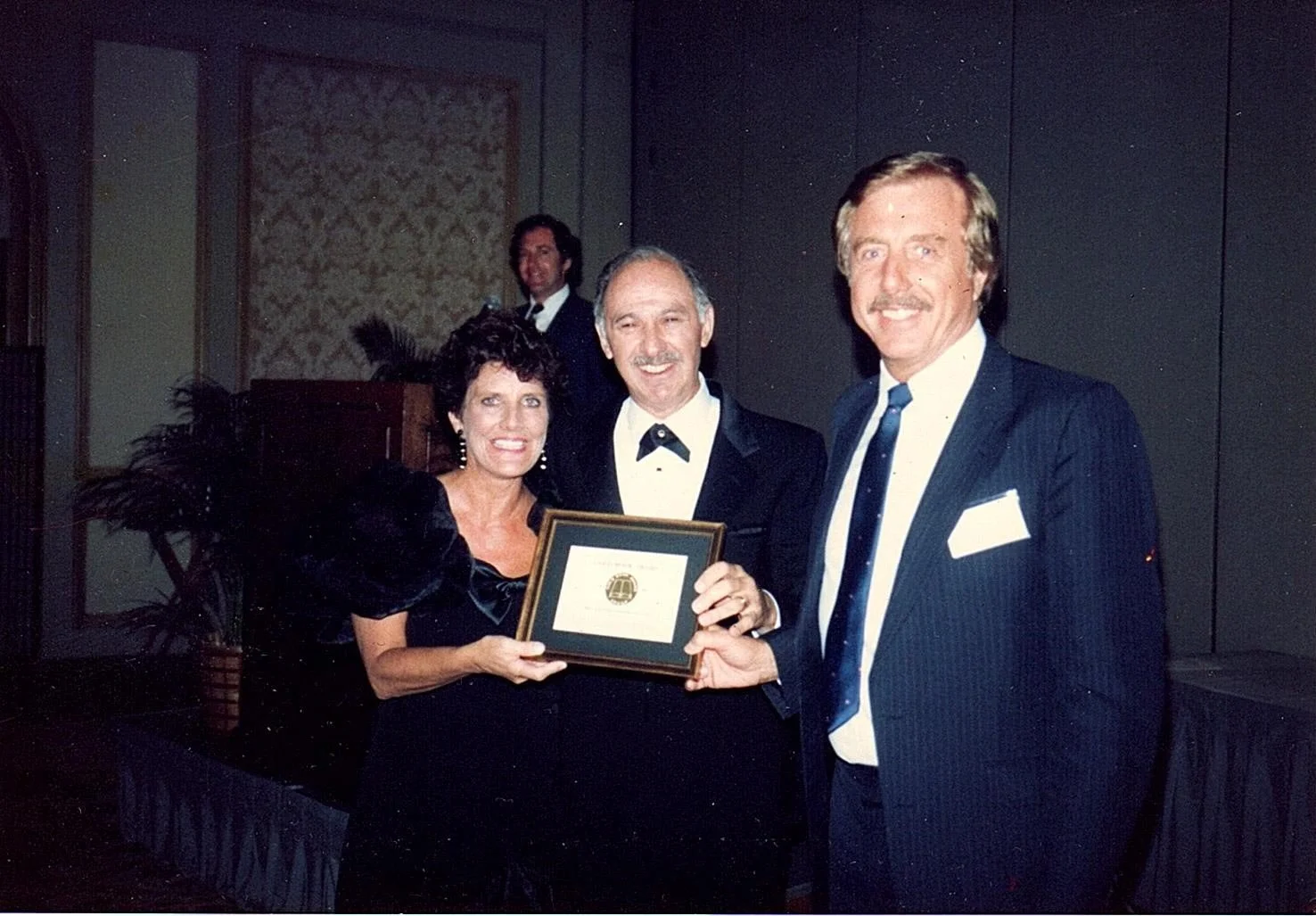
1996, Feist was the only company to win first place in more than of 11 categories that recognize the best in the yellow page industry with more than 200 entries.

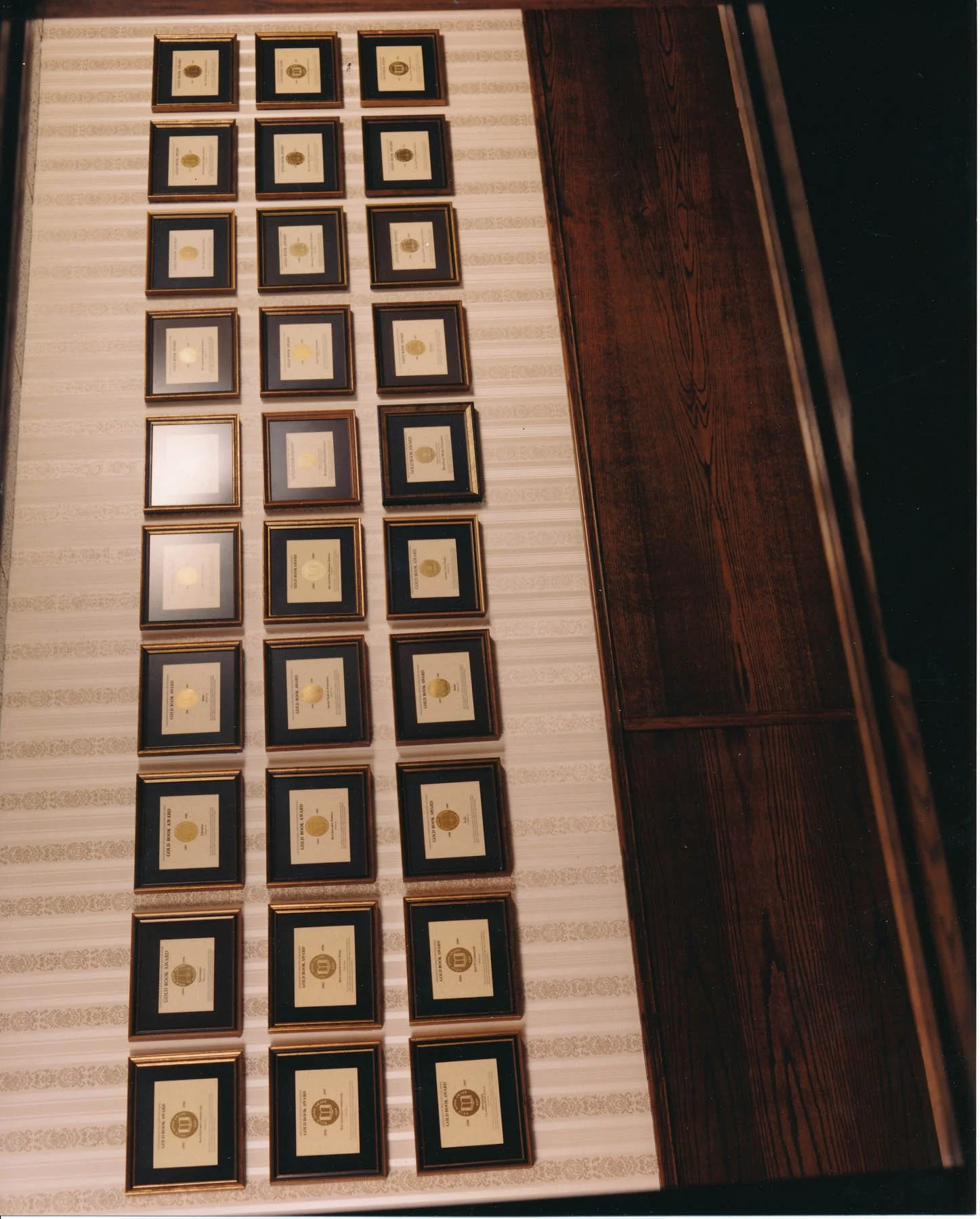
Each and every year Feist would win Gold Book Awards for best radio and marketing ad, best cover design, best community pages and more, totaling 14.
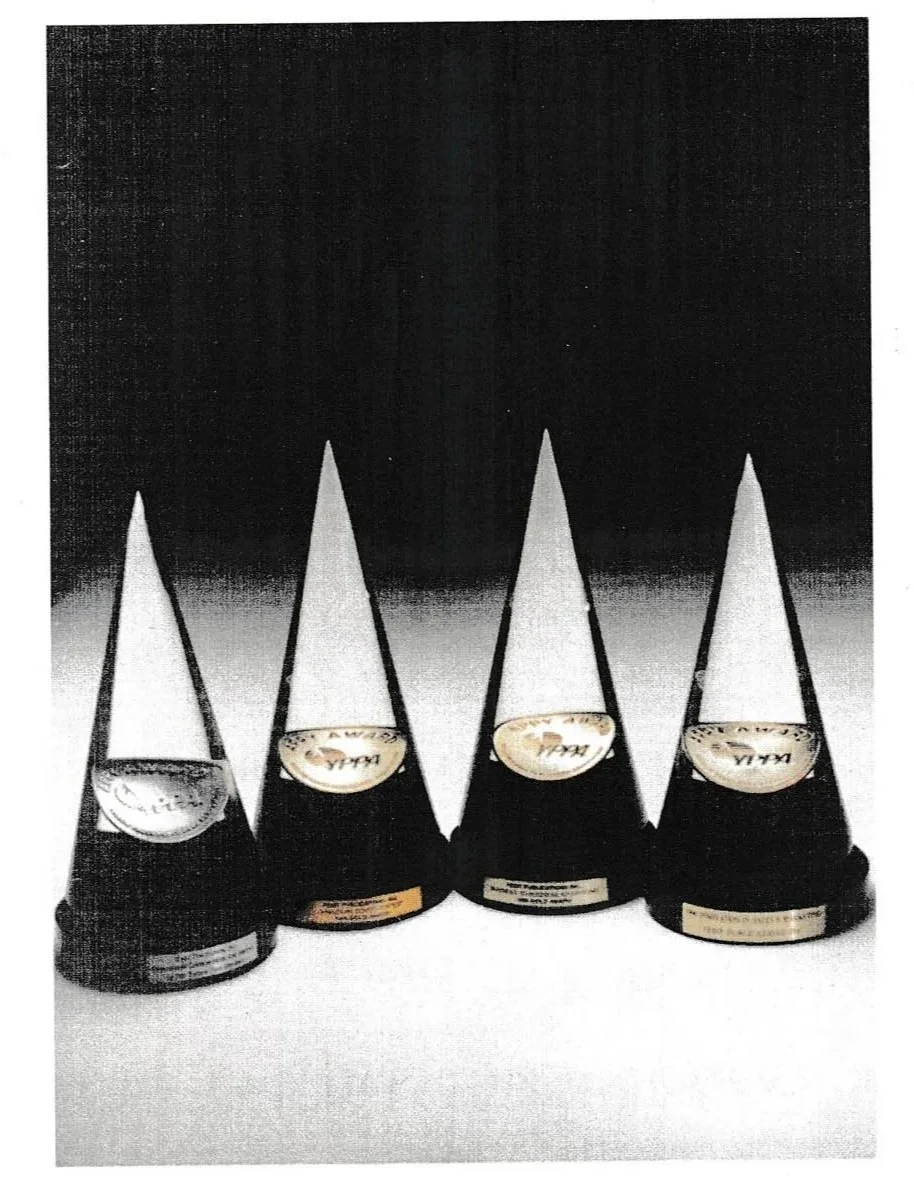
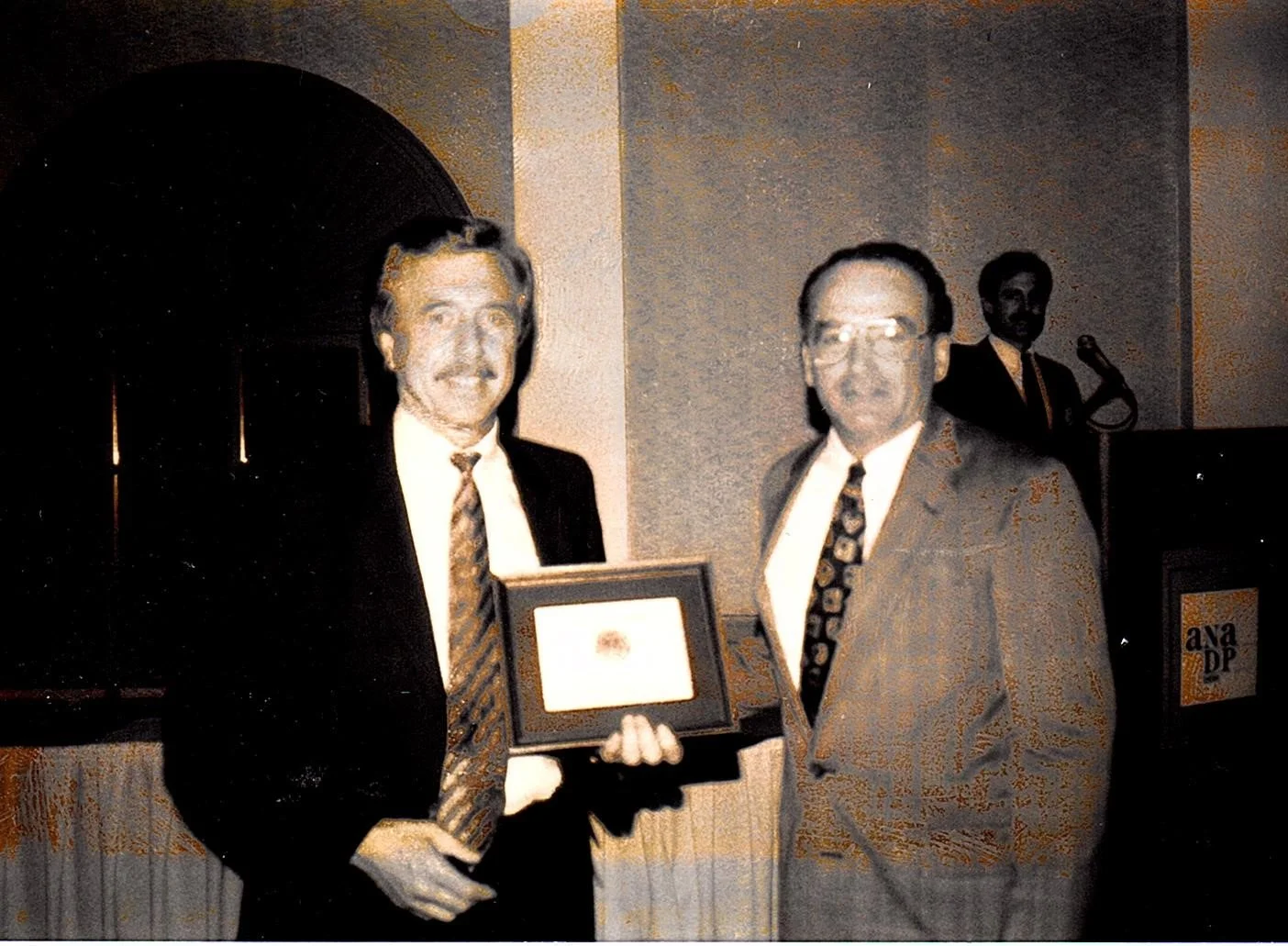
5 APPY awards from the Yellow Page Publisher’s Association for community service marketing and design. It is unusual for a small independent publisher to win an APPY award.
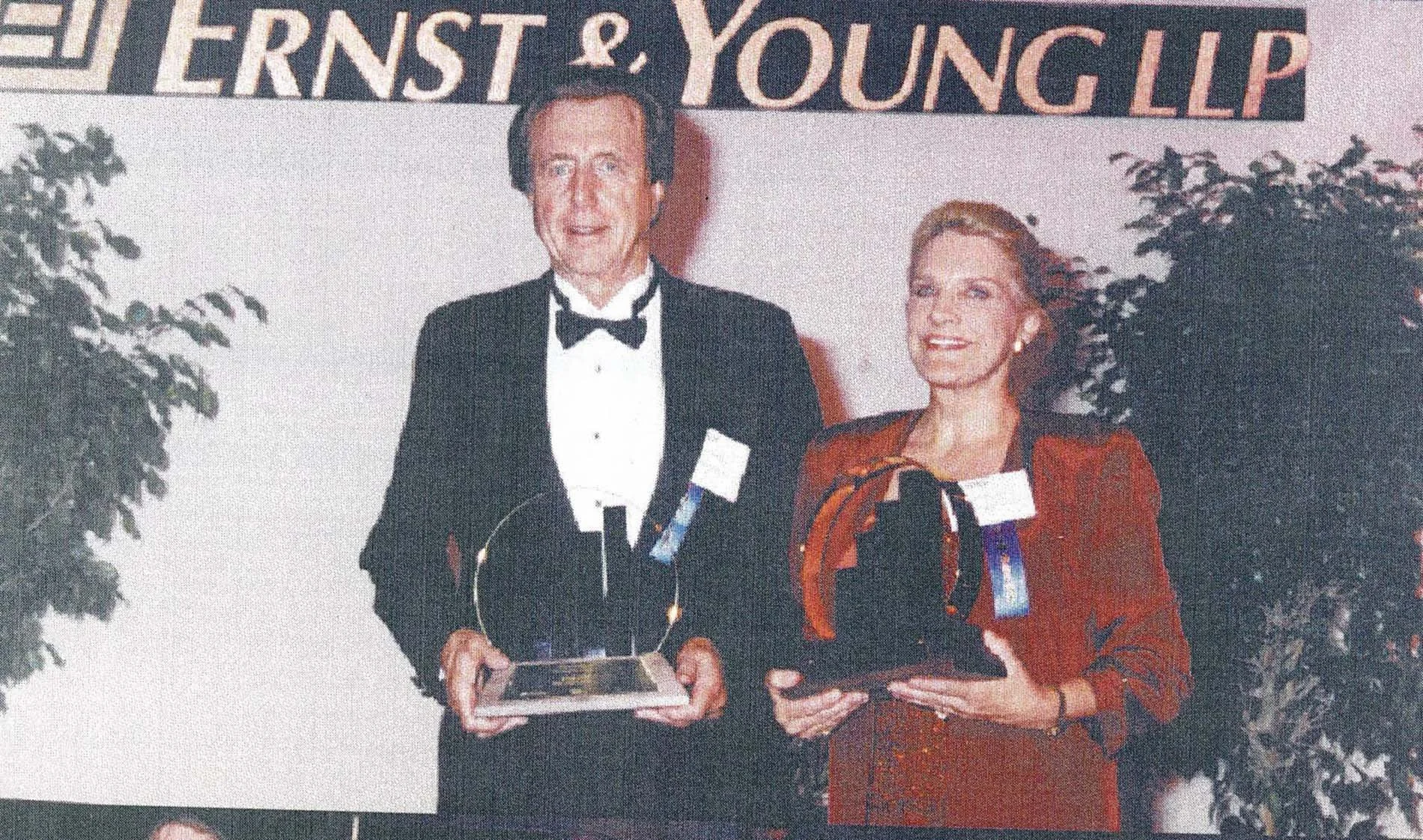
1997 Feist Publications was honored by Earnst & Young as entrepreneur of the year for Kansas and western half of Missouri. Feist received many awards including “outstanding service award” in apperception of their success in winning a unanimous decision from the Supreme Court decision. Only three other publishers ever received that award in over 100 years.
Feist Publications Acquisition Information
On March 25, 2004, the company was sold to Yellow Book USA. At the time Feist was publishing 20 directories in parts of Kansas, Missouri, Oklahoma and Texas with a circulation of 4 million with headquarters in Wichita, home office in Spearville Kansas, and offices in Oklahoma City, Lubbock TX and Kansas City.
But to his family and friends around Spearville, his legacy is that of a tireless, common-sense entrepreneur who used the work ethic and honesty he learned on the farm to build a publishing empire.
"Tom Feist believed in his people," said Gayla Kirmer, his personal secretary with the publishing firm. "He had faith in the people he trusted to take care of what needed taking care of."
The teacher in Tom Feist never took a back seat, Kirmer said.
"Whenever I'd type anything up for Tom, he'd get out his red pen and circle the things he wanted me to change," she said, chuckling. "Definitely always the teacher. Tom always wanted you to learn."
Mr. Feist would like to be remembered for his penchant for accuracy and accountability, his son Jay Feist said.
"We worked hard," he said. "We learned to be very responsible feeding cattle. The cattle can't wait, you know, so you've got to feed them regardless of the weather.
"He was very conscious of how things looked. Dad wasn't sloppy at what he did. He was very careful, and he corrected us quite a bit to make sure we got things right."
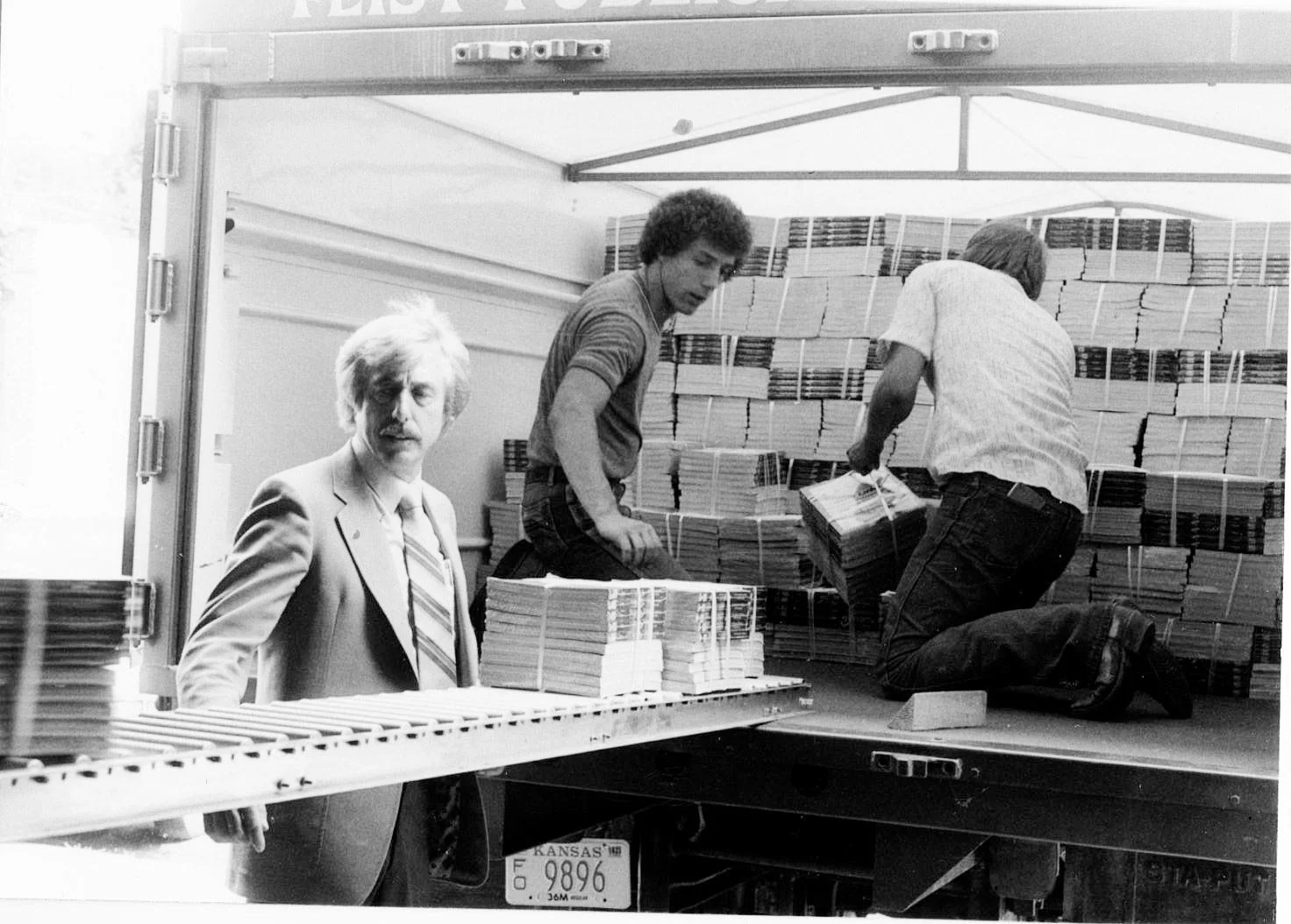
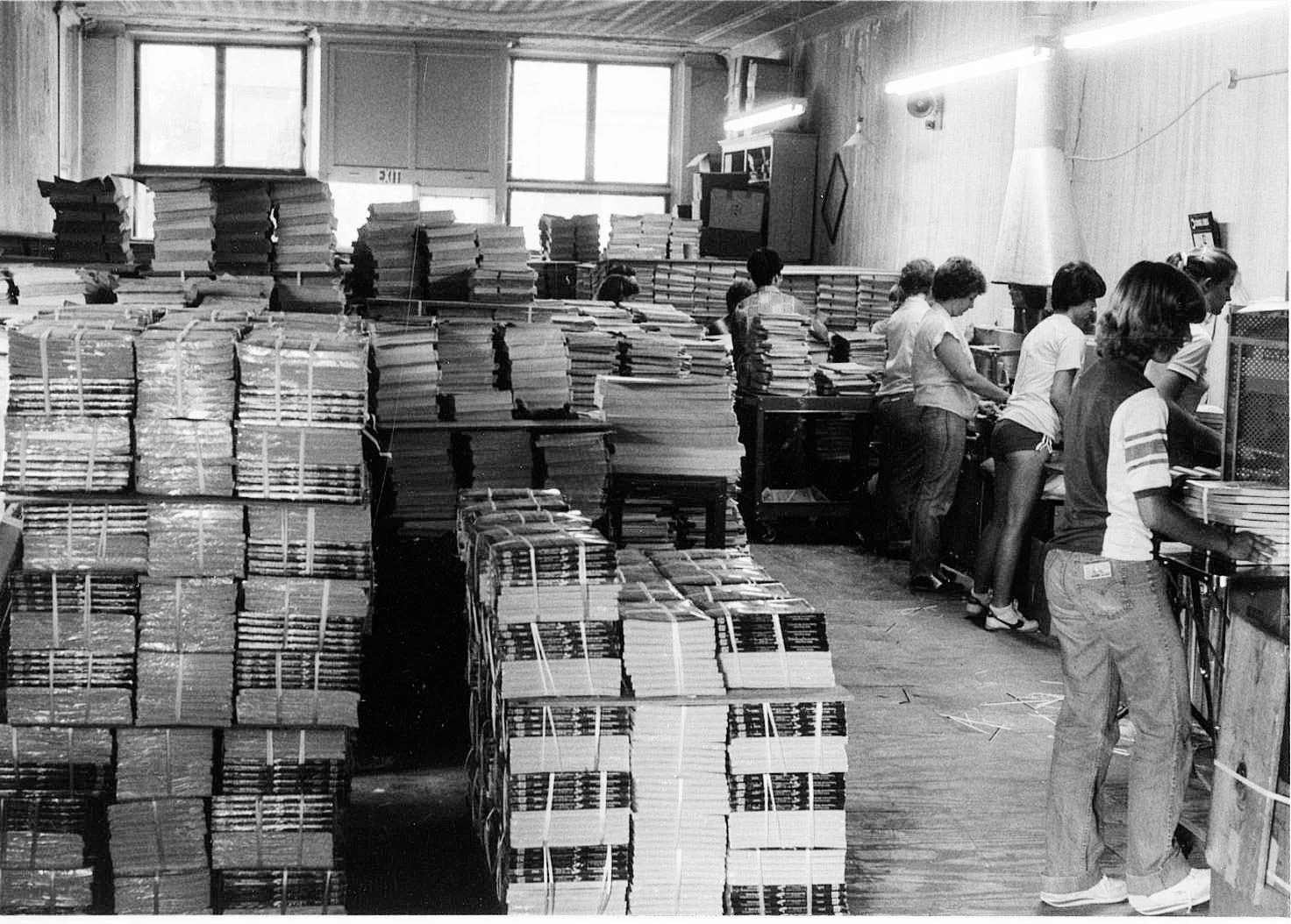
JILL UTZ – Daughter
When her parents started their own telephone directory company 26 years ago, Jill Feist Utz wasn't yet a teenager.
But that didn't stop her from working long hours on putting together Kansas' first areawide telephone directory.
She and her husband, Todd Utz, joke that the family was probably breaking child labor laws.
"As kids, we used to deliver books. We did the binding right off the press. We loved it," Jill said of herself and her five siblings.
"We thought it was great that we could make money this way. We paid for our college."
Jill, now 38, remembers before technology changed everything, going through shoe boxes stuffed full of Rolodex cards and typing them into the family's one huge computer.
She laughs thinking of her perfectionist father, Tom Feist, who always kept his word about what day the phone book would be delivered, no matter what the outside temperature.
"My brother kept a journal, and one day we were delivering books in a wind-chill of 60-degrees below zero," she said. "It makes us appreciate it now."
Todd Utz calls the Feist story "a great American success story" a hard-working couple who staked everything on a product they believed in.
He served on the Boards of Yellow Pages Publishers Association and the Association of Directory Publishers where he served as president. In 2003 he received The Kelsey Group’s “Lifetime Achievement Award” for his innovative leadership in the yellow pages industry.
He was a history enthusiast and civil war buff, an avid runner, cyclist, landscape photographer and big fan of the K.C. Royals, Chiefs and Jayhawks.
Farmer Rancher
Originally a farmer and rancher, Mr. Feist taught his children the principles of hard work and responsibility essential to financial survival, said his son, Jay.
"He taught me a lot about business," said Jay Feist, a Wichita entrepreneur. "I think farming and ranching makes you an independent person, where you rely on yourself to do things. It gives you a lot of confidence.
"So when he and my mother got into publishing, they knew that if they worked hard and hired the right people, they'd be successful."
From His Brother Jessie Feist:
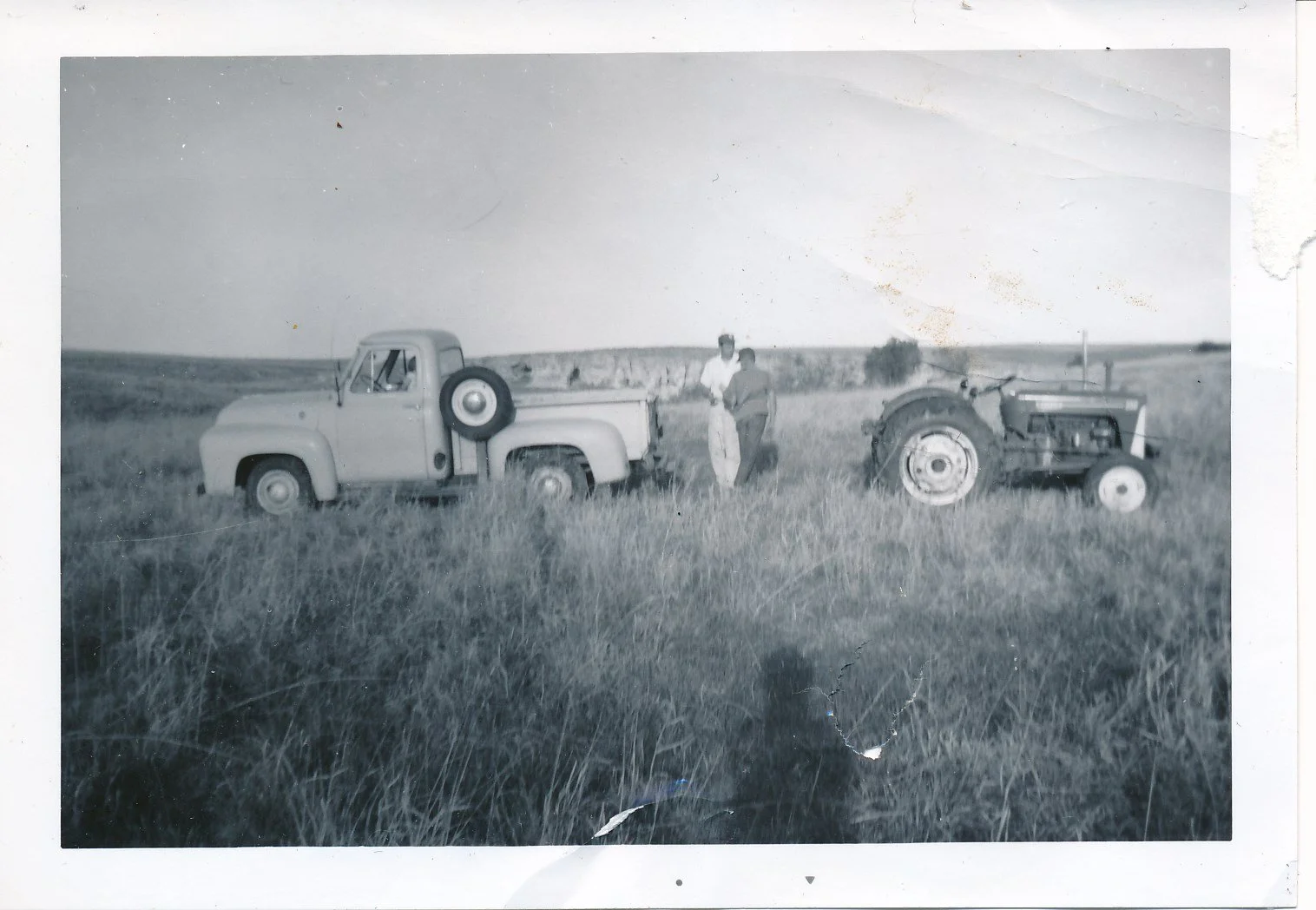
Tom, of course bore most of the burden of looking after the farm, the pasture fences, etc. Tom and I sometimes talk about driving a tractor back in the 1950s. It would be difficult to imagine a worse job, especially with exaggerated hindsight. Here are just a few of the problems: (1) Danger, you could fall off the tractor at any time (we sat on the fender – not the seat), the tractor could rise up and fall on the driver, turn over sideways and fall on the driver, or the driver could fall off and be run over by the one-way – the least lethal of all these scenarios; (2) Dust, going with a 3-mile an hour wind while driving 3 miles an hour was the most miserable: (3) Heat, during the summer months in the 1950s the outside temperature frequently hit 110, but the heat from the tractor had an additive effect, making the temperature much higher than the temperature alone;
(4) Noise, the noise from the tractor engine made farming one of the noisiest of all occupations – when you shut off the engine, the silence was deafening;
(5) Loneliness, even if another person was plowing the same field, you didn't talk to that person except when you started, finished, or ate dinner. Dinner, by the way, usually lasted about 15 minutes and consisted of a sandwich and a couple of cookies that Mother put in our lunch sack;
(6) Thirst, once you started to drink water, you needed frequent stops to drink more. I tried to wait until afternoon to take my first drink.
(7) Long hours – we left the house before 7 a.m. and sometimes worked until 8 or 8:30 p.m.
Old Sodders Never Die, They Just Spade Away (by Tom Feist)
“Boys, BOYS! It’s seven o’clock, time to get up.” This call from our dad beckoned Jess and me almost every day during the summer months of the 1950’s, a relentless routine was about to begin.
It was time to get up, eat a quick breakfast, drive to the field, fill the tractors with gasoline, service the tractors with a filthy grease gun, warm up the tractors and begin tilling the soil with one-way-plows**. These implements had minds of their own. They wanted to go their own way and were constantly jumping out of the rut which they were supposed to follow. The noise made by the gasoline engine was a hundred decibels above the modern diesel engines. This racket, by itself, was enough to cause permanent damage to one’s ears. **The one way was invented by the Angel family from Plains, KS. Wayne Angel, served on the Federal Reserve Board with Allen Greenspan for 7 years.
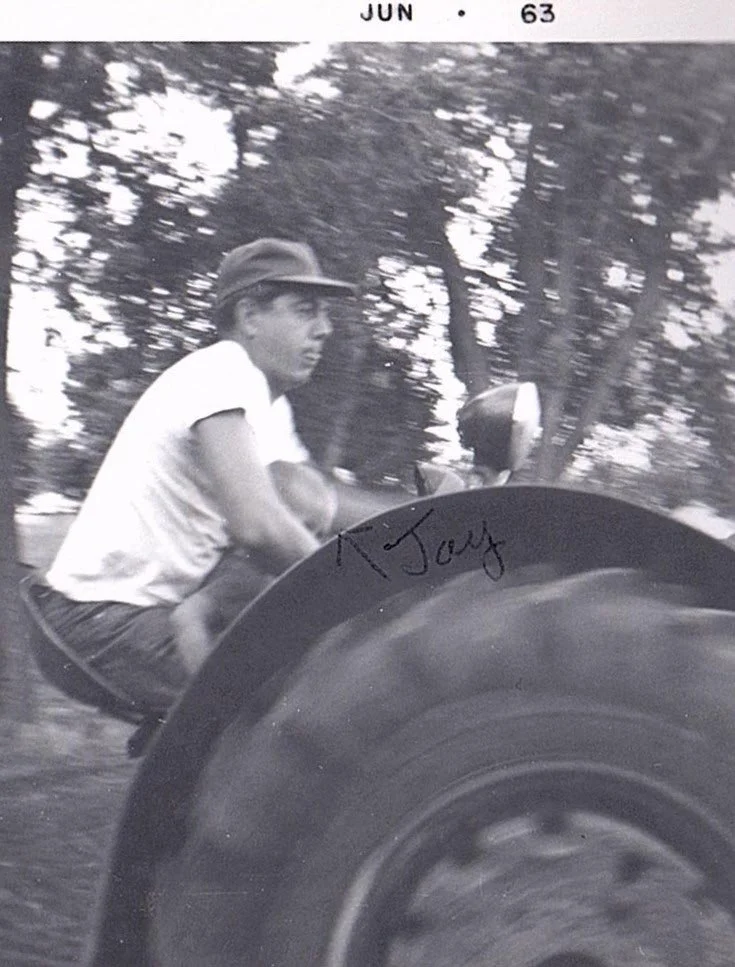
The tractor driver was forced to sit on the tractor fender in order to avoid excruciating pain from the operation of the tractor, such as the motor fan blowing hot air from exhaust pipe. It was a torture that no one should be made to endure. The heat emitted from the exhaust pipe was so hot, it glowed at night.
Another source of heat was radiator water, boiling at 212 degrees. This water splashed on our bare skin. Of course, we were far to macho to show that any of this was affecting us. Tractor driving under these conditions made Dante’s Infernal seem like a resort area.
Dust was a constant problem, especially for me, I suffered from hay fever. When traveling with the wind, the dust created by the tractor and one-way hung and clung to our bodies, making breathing a major chore. At times we were forced to stop the tractor to get a breath of fresh air.
Traveling with the wind caused other problems. Bugs moved at the same speed as the tractor. At night under the lights, a tractor driver would often find himself in the middle of a swarm of bugs.
Tractors didn’t have shock absorbers. They just bounced along. Nothing is rougher than a newly plowed field. If the bouncing didn’t get you, the vibration would. And yet we marveled at the wonder of it all.
Other minor irritations:
(1) Sharing hot drinking water with a driving partner: in the case of Julius Dresher, one would not only share the same water but also tobacco juice and white fluid dripping from his mouth. We were never able to determine the origin of these phenomenon’s. (2) In order to start the tractor, we occasionally had to crank it at the risk of breaking an arm. (3) Breakdowns were numerous in the days prior to hydraulic equipment. (4) Hard labor was required to raise and lower the implement. (5) Compensation was good. $100 per month per summer, or $300 per year, which we used to pay for college tuition and noon meals. *Tom 2000 Feist Capades
1987, The Last Harvest Letter to his siblings: (by Tom Feist)
As most of you know, this was my last wheat harvest and probably the last harvest of a Feist operated farm, which, I think, began in 1940. Prior to that date neighboring farmers worked the land and cut the wheat for either shares of crop or cash.
The wheat yielded almost 50 bushels per acre, despite much of it going down due to a series of severe storms immediately before and during harvest. The pictures are of Gene Stegman's combines and equipment. Gene has harvested every crop since I started farming, twenty-five years ago.
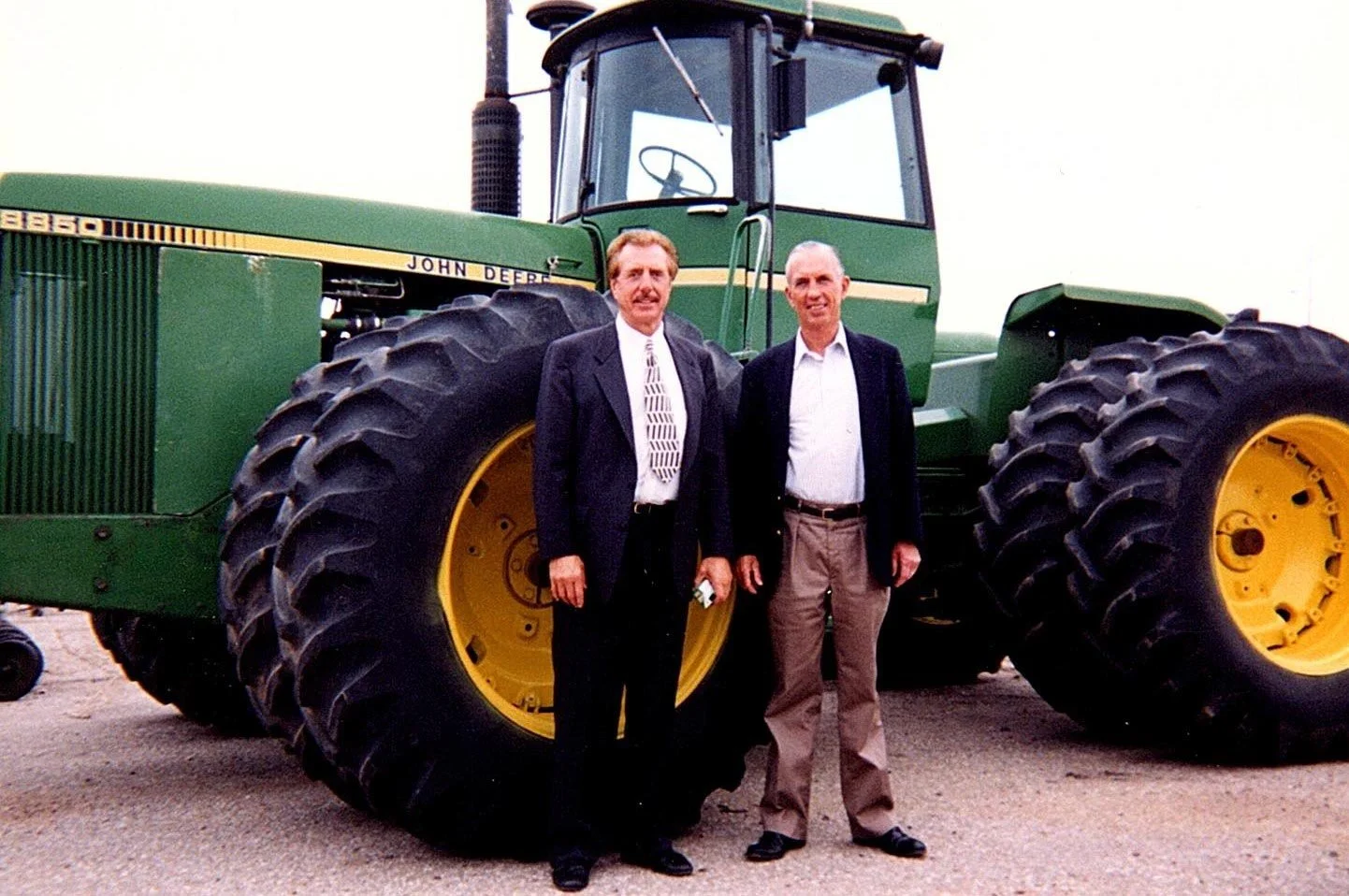
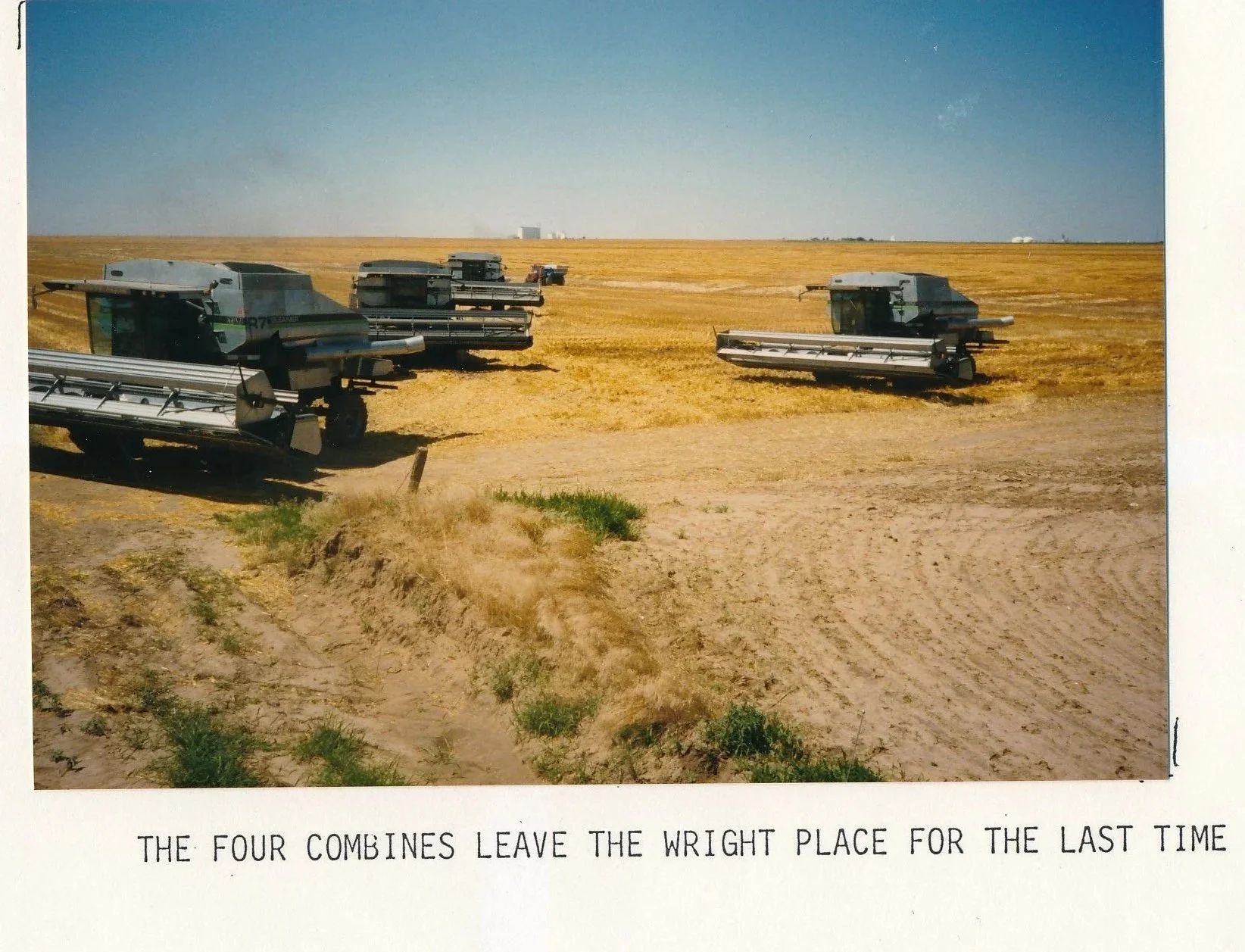
I'm sure it is difficult for anyone not having been involved in recent years in harvest to realize the technological advances that have taken place. The following is an example of the sheer volume of wheat harvested and moved in a very short time:
On the afternoon of June 27, Gene harvested 13,139 bushels of wheat from 257 acres on the Wright Place. That volume of wheat, if milled, would produce enough flour to bake more than one million loaves of bread. Of course, the job could have been completed much more quickly had all the wheat been standing.
The equipment is huge by earlier standards.
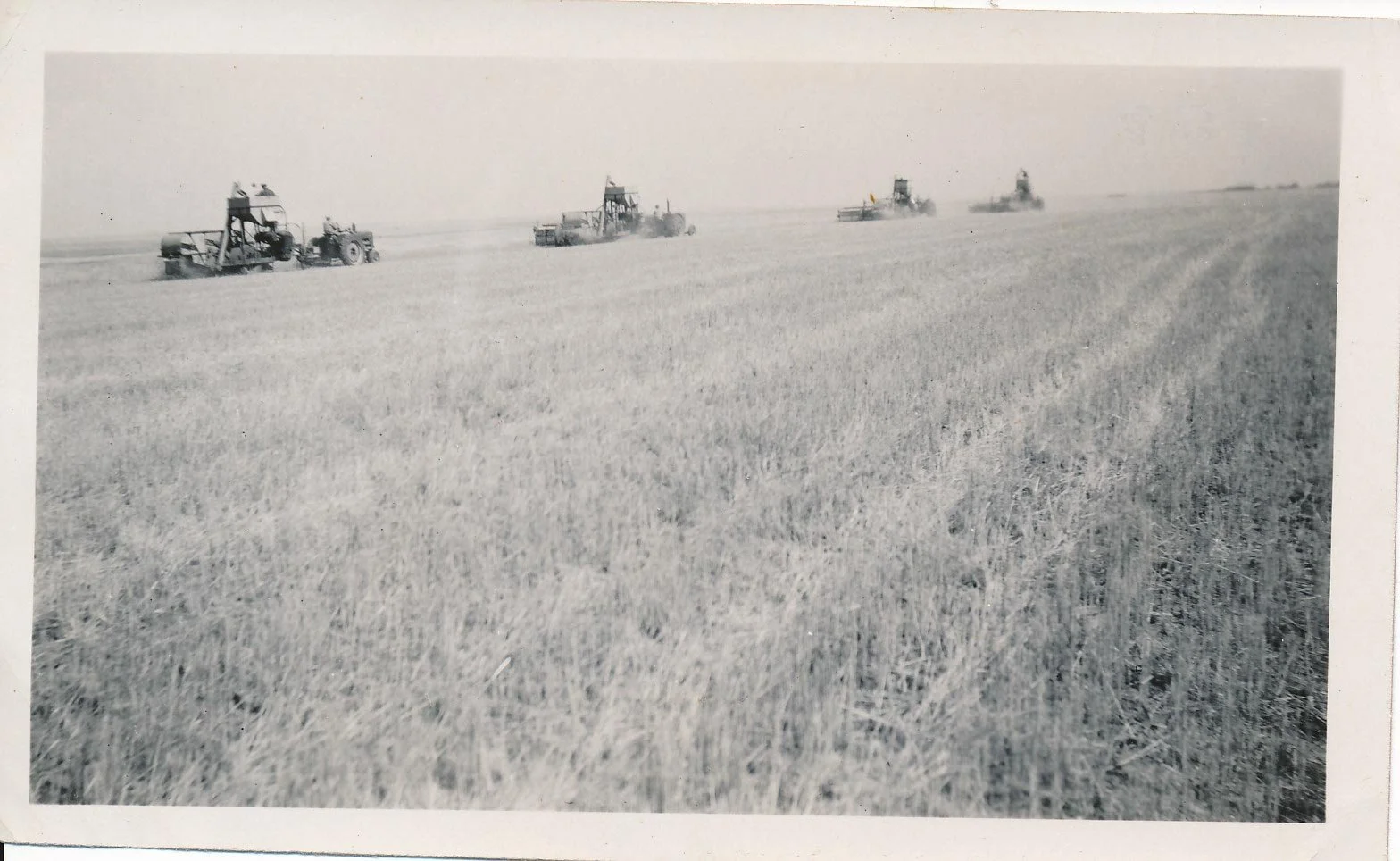
Each of three combines cuts a 27-foot swath, the fourth combine takes a 30-foot swath, or a total of 111-foot strip in one pass. The combine's grain-tanks hold over 300 bushels each (about two 1940's truck loads). Each grain cart carries approximately 1,000 bushels and each of the five trucks can haul 700 bushels. This capacity allows him to cut 6,700 bushels after the elevators close at night – usually 10:00 p.m.
The grain-tank augers are capable of ejecting 300 bushels per minute into the grain carts while on-the-go. The grain cart then empties its load into waiting trucks on the road.
The entire operation is coordinated by business-band radios located in every combine, tractor, truck and support vehicle.”